As I mentioned in the previous post, I’ve been reading a lot of short stories lately, though I did go back to a novel during a bout of flu last week. That’s actually had the effect of clarifying what it is I’m enjoying about the shorter form. This novel in particular is a baggy, rambling thing, following an aging narrator’s quest for meaning in some historical papers he comes across in Paris. It has some great bits but also some bad ones that don’t need to be there. Short stories – good ones – can’t have these. They demand both less and more of you as a reader. Less in terms of time; more in terms of concentration. There’s no point skim-reading short stories: finishing one is emphatically not an achievement. Maybe that’s why I didn’t read them so much when I was younger. I thought novels were the things you should read – and try to write. Or maybe it’s just that novels were and still are everywhere when you walk into bookshops and libraries, whereas short stories are rare and have to be sought out. They’re hidden like needles among novelistic haystacks. What chance that an average browser will come across them and pluck them out? Not high.
I thought I would make an effort to redress that by considering 5 of the best short stories I’ve read. Did I say that I write short stories myself? And I’m trying to get better at it, so that’s another reason for this.
Here goes…
- Dentist by Roberto Bolano
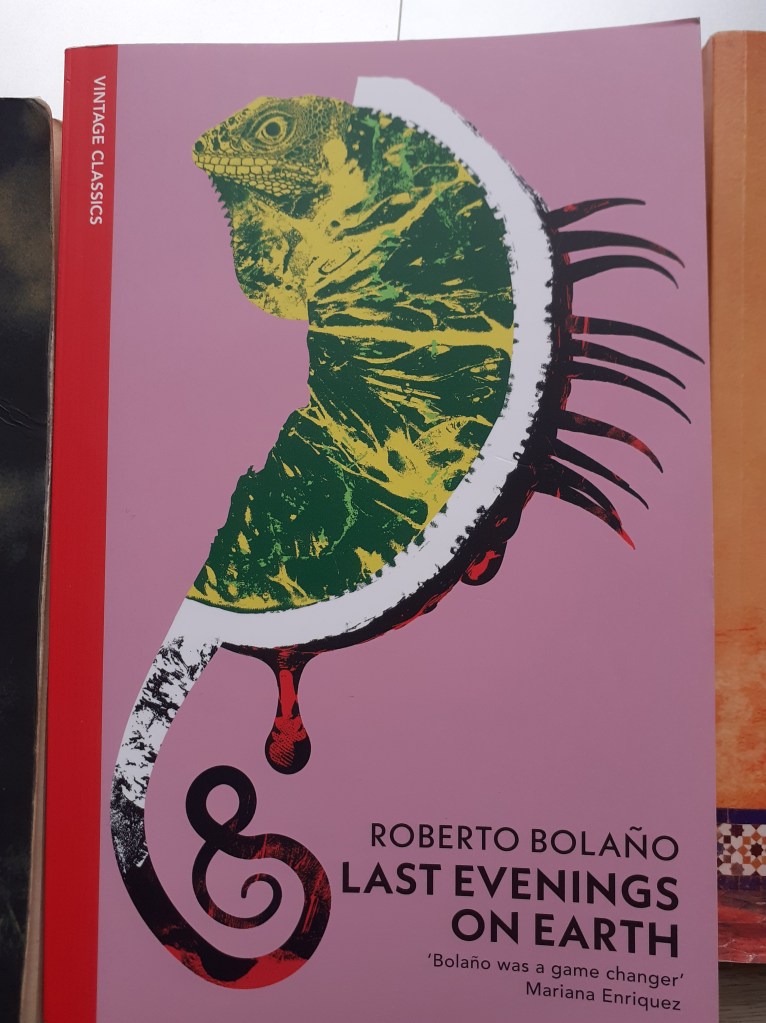
This story showcases Bolano at his best, as a typically detached narrator recounts a visit from his home in Mexico City to see a dentist friend in a small town called Irapuato. The first line, “He wasn’t Rimbaud, he was just an Indian Boy” is a great hook, but as with lots of Bolano stories you’re dragged along anyway by his laconic and hypnotic voice. The dentist takes the narrator out to a restaurant in a shady area of town and tells him about a near-death assault at the hands of a landscape painter he admired. Jose Martinez, the Indian boy mentioned in the first line, is the enigma at the heart of a story that lays bare the often painful clash between artistic or literary ambitions and living straightforwardly/ doing the right thing. The final image of dentist and narrator waiting for a patient who never comes is perfectly ambiguous: is the narrator the unwitting patient, needing to have his pretensions extracted like a bad tooth?
2. Ivor by Camilla Grudova
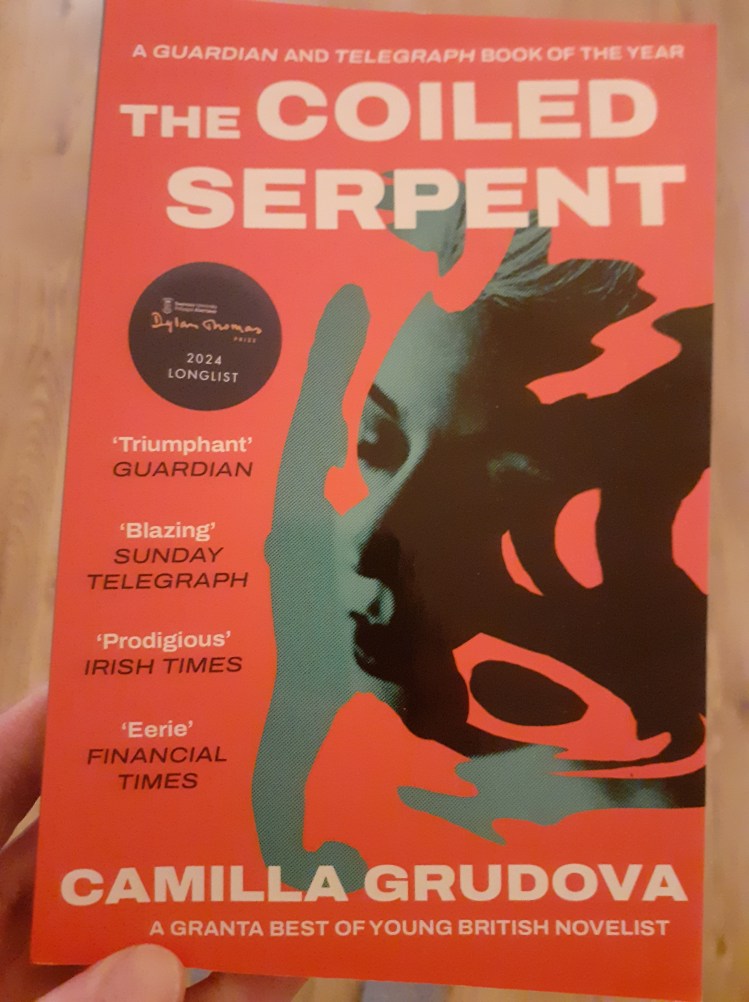
The first time I read this I was browsing the Granta website, where it happened to be available for free. Having now read almost all of the collection ‘The Coiled Serpent’, Ivor is still my favourite, although there are close competitors. Grudova has an unusual take on the short story, in that she often focuses on capturing the grotesque essence of places. There are boarding houses, factories, museums, swimming pools and saunas. In the case of this story, the place is Wakely, a British boarding school whose recognisable elements (familiar from say, Roald Dahl’s ‘Boy’) blur into the horrible and nightmarish: we go from headlice inspections to a pet bug eating part of its owner’s face. The collective third person ‘we’ can rarely have been used so effectively in the short story form as it is here. Ivor is the school’s unofficial hero, who in the final lines becomes much more than that: “We gathered that perhaps Ivor was as light as a bed sheet, made clean over and over to comfort us in our sleep.”
3. The Ostrich by Leila Aboulela
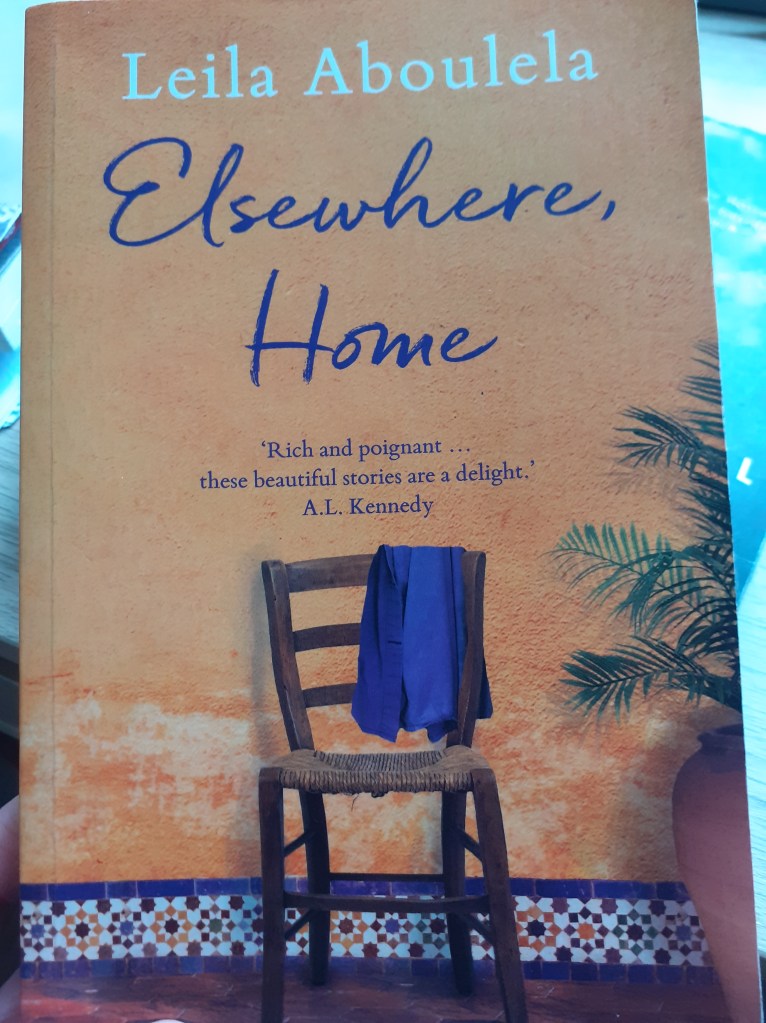
Here is a template for the short story par excellence: a character appears (or reappears) in a person’s life, and interrupts it, or makes that person realise something about their life with devastating clarity. Aboulela’s story opens with the narrator, a Sudanese woman, returning from a trip home to rejoin her husband in England. The significance of The Ostrich (a character from her past) is only fully revealed in the final couple of pages. The story achieves all of its impact through precise minimal details and understatement; in what the narrator doesn’t say because she can’t. Through my teaching I’ve met a lot of people from Sudan and other countries who’ve been forced to leave their homes and resettle in Scotland. All of Leila Aboulela’s collection ‘Elsewhere Home’ resonates strongly with me – but The Ostrich sticks its neck out furthest.
4. Nina’s Hand by Michel Faber
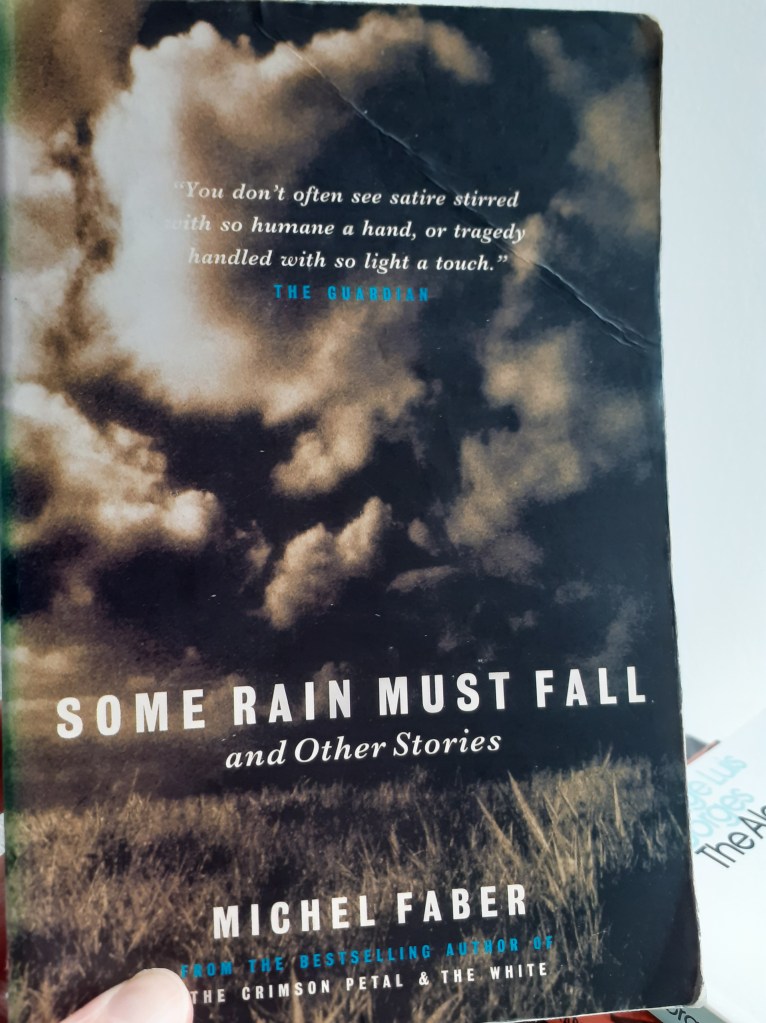
‘Some Rain Must Fall’ was the first short story collection I ever bought, I think when I was about 20. It was the first time I realised what short stories could do, and probably it was what started me trying to write them. All the stories in it are quite different from each other, and probably when I was younger I would have chosen another as my favourite. But when I was thinking back to write this, Nina’s Hand was the first that came to mind, so I went and reread it, and now I know why. Words like surrealist or realist don’t really mean anything here; better just to say that this story is both at once; it’s about the horror and wonder of humanity reduced to drudge labour, and a single body part (Nina’s hand, detached from Nina) functions as the main character. It shouldn’t exist, but Faber has written it. Maybe no other story I know recasts the mundane in such otherwordly light, yet still with such humorous detachment. As with any great story, the ending is everything, and this is as good, and as gut-wrenching, as they come.
5. A Somebody by Anton Chekhov
The genius of Chekhov’s stories is that they appear to be so simple and unaffected. They’re set in Tsarist Russia, but the characters and themes are universal. This is a tale about a boy from a poor family, Misha Nabaldashnikov, who is desperate to find work. He sees an advert for a position as a clerk and goes to great pains to answer it, pains which the reader knows will be futile. Every time I read it I marvel afresh at the levels of pathos and irony Chekhov achieves in four short pages. Misha’s letter of application is a work of tragicomic genius all on its own. I’ve made the story into a lesson for my students, refugees who need my help navigating the tortuous process of obtaining work here. As a model of what not to do it always makes them laugh. Of course you shouldn’t explain in your cover letter that the reason you didn’t finish your schooling was because your father became an alcoholic, quit his job and died. Of course you shouldn’t finish with the lines: “But now I live supported by my mother, who has no means for living, and that is why I most humbly beg Your Honour to give me a position, so that I may live and feed my sick mother, who also begs You. And excuse me for disturbing You.” Even if this is the the truth, of course you shouldn’t write it. As a warning against the perils of naivety in an unjust world, this is powerful, funny and poignant.
 T.Y. Garner Writer